Hose guide for Andean and underground mines in Peru
Altitude, wet underground drives and rainy-season access: how they affect hydraulic hose, and what to check.
Andean conditions and what they mean for hose
Peruvian mines sit high in the Andes and many are underground. These conditions shape every quotation for Peru.
| Condition | What it does to hose | How we quote for it |
|---|---|---|
| Altitude of 4,000 m and more | Frost at night, cold starts at shift change | Hose rated for your lowest start temperature, stated on the quotation |
| Wet underground drives | Water, mud and rock abrasion on scoops and jumbos | Abrasion sleeves and compact routing on every underground assembly |
| Rainy season, December to March | Landslides (huaicos) can close access roads | Kits shipped earlier so they reach the mine before the roads close |
| Long supply chains | A missing hose stops a scoop for days | Complete kits per machine plus a short list of critical spares |
Surface fleets at altitude
In the southern copper pits and the high Andes, frost at night and cold starts stiffen hose covers. Choose hose by its low-temperature limit and allow the system to warm up before full load.
Underground scoops and jumbos
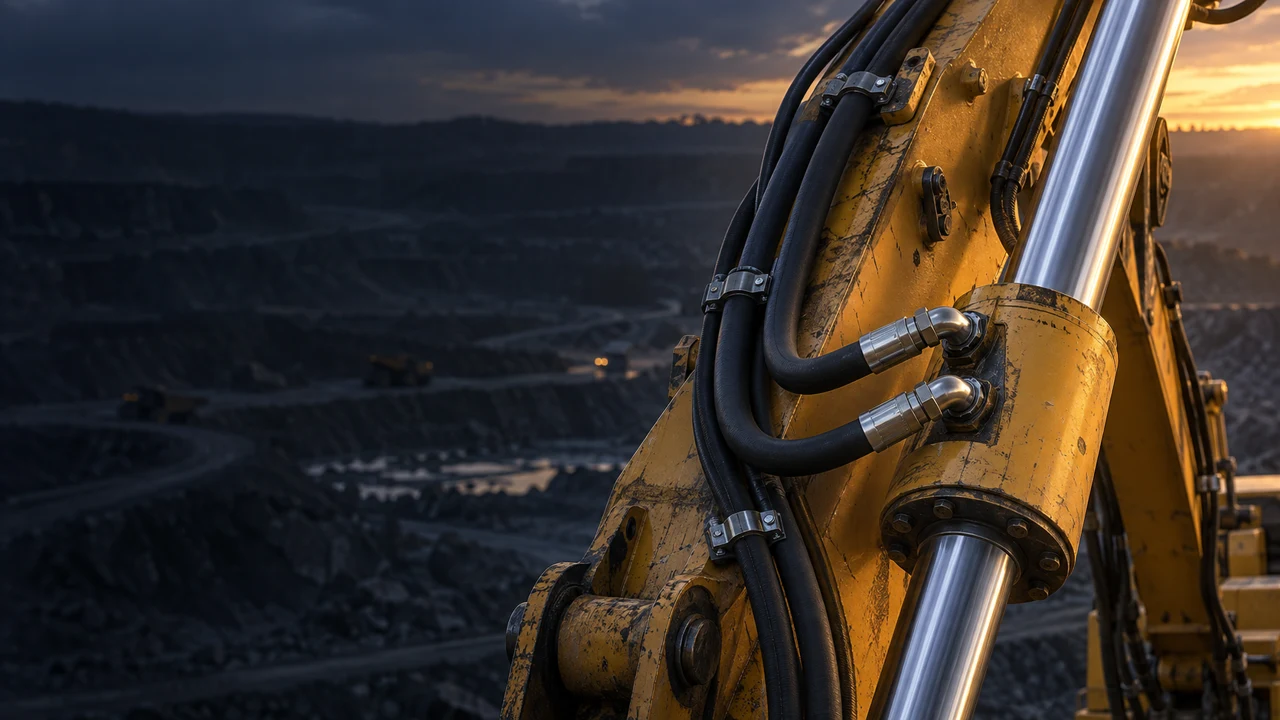
In the central polymetallic mines, scoops and jumbos work in narrow, wet drives. Hoses rub on rock and on each other, and water attacks fittings. Abrasion sleeves, good clamping and frequent inspection of ferrules for corrosion extend life the most.
Getting parts up the mountain
A Peruvian mine can be a day or more from Lima, and rainy-season landslides can close roads. Order complete kits per machine, plus a few critical spares, early enough to reach the mine before the rains.
Checklist for maintenance teams
- Use hose rated for the coldest start
- Check sleeves and clamps on underground machines
- Inspect ferrules in wet drives for corrosion
- Keep critical spares at the mine
- Ship kits before the rainy season